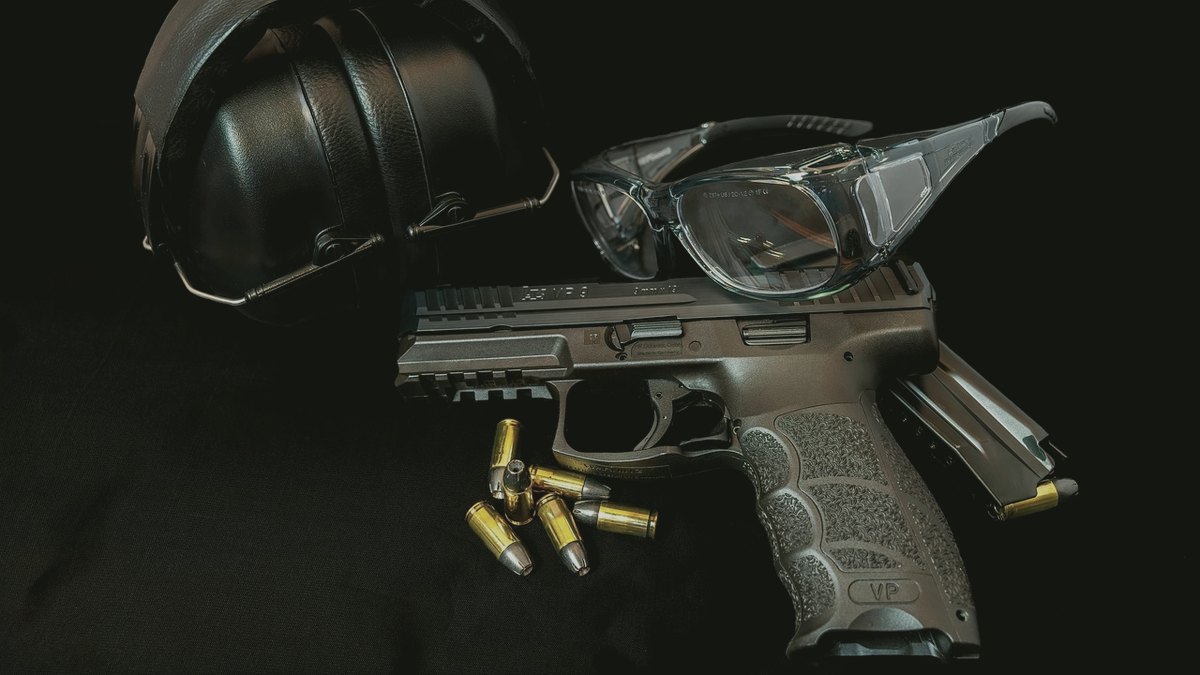
The cheapest way to get good with a handgun is to shoot a lot, and the cheapest way to shoot a lot is rimfire. The five .22 pistols worth owning, from all-day range classics to trainers that mimic your carry gun.
We’ve made the budget case before: rimfire ammunition costs a fraction of centerfire, which is why .22 LR topped our list of the cheapest calibers to shoot. A brick of 500 rounds costs less than a couple boxes of 9mm.
What the math doesn’t capture is what all those cheap rounds buy: repetitions. Trigger press, sight tracking, follow-through — skills that transfer straight across to your defensive gun, practiced without the recoil that masks your mistakes and without the ammo bill that ends sessions early. Pair the live fire with dry fire at home and you’ve got a complete training program for pocket change.
One note before the list: rimfire is inherently less reliable than centerfire ammo, and bulk-pack .22 is the worst offender. Every gun here runs well by reputation and testing, but feed any .22 the good stuff (CCI Mini-Mags are the usual answer) when failures annoy you. The picks below, with street prices, line up with hands-on roundups like Pew Pew Tactical’s tested list.
Ruger Mark IV — the default answer (~$340–$400)
The Mark series has been America’s range .22 since 1949, and the Mark IV finally fixed the one thing everyone hated: takedown. One button and the gun opens for cleaning, where older Marks required a ritual and a prayer to reassemble. It’s heavy, soft-shooting, accurate beyond most shooters’ ability to prove, and there’s a configuration for everyone — including the 22/45 models with a grip angle that matches a centerfire pistol.
If you only buy one gun from this list, it’s this one.
Smith & Wesson SW22 Victory — the reliable one (~$420)
Same full-size steel formula as the Mark IV with a different personality: a single takedown screw, easily swappable barrels, and a deserved reputation for digesting mixed bulk ammo that chokes other rimfires. Accuracy is a match for anything at the price. Between this and the Ruger, you’re choosing a flavor, not a winner.
Get the next one
Plain advice on guns, gear, and staying ready. One email when we publish. No spam, no selling your address.
Browning Buck Mark — the trigger (~$430)
The third of the classic steel range guns, and the one people buy after dry-firing all three at the counter. The Buck Mark’s factory trigger is the best of the bunch, and a crisp trigger on a training gun is not a luxury — it teaches your finger what a good break feels like, which is the exact skill you’re here to build. Slightly behind the other two in aftermarket support, slightly ahead in feel.
Taurus TX22 — the modern polymer value (~$300–$420)
The TX22 is the gun that forced everyone to take Taurus rimfires seriously: a polymer-frame, striker-fired .22 that handles like a modern centerfire pistol, holds 16 rounds, and runs with a reliability reputation that embarrassed guns costing twice as much. The Competition variant adds an optic cut. If your other guns are polymer striker guns, this trains closer to them than any steel classic — at the friendliest price on this list.
FN 502 — the carry-gun trainer (~$430)
The 502 exists for one job: being your defensive pistol, in .22. Hammer-fired with a thumb safety, a 15-round magazine, optics-ready slide, and a threaded-barrel option — set it up to mirror your carry configuration, dot and all, and every cheap rimfire round becomes a rehearsal of the exact gun you’d fight with. It’s the most expensive idea on this list and, for someone who carries daily, possibly the most valuable.
Bottom line
Buy the Mark IV or SW22 Victory if you want the classic steel range gun, the TX22 if you want modern polymer at the best price, and the FN 502 if the mission is training for the gun you carry. Any of them pays for itself inside a year of regular shooting — at rimfire prices, the gun is the cheap part, and so is everything after it.
Skip this: the temptation to make a .22 your home-defense gun because you shoot it well. Rimfire reliability is fine for the range and wrong for a life-safety role. Train with the .22, defend with the centerfire — that division of labor is the whole point.