Most outages end in a few hours. The ones that don’t will punish every mistake you made in hour one — the open fridge, the candle, the generator in the garage. Here’s the order of operations.
The power going out is not an emergency. It’s an inconvenience that can become an emergency, and the difference usually comes down to a handful of decisions made early, while everyone’s still treating it like a campout.
Here’s the first 24 hours, roughly in order.
First few minutes: figure out what you’re in
Check your breaker panel first — a tripped main has embarrassed plenty of prepared people. Then look outside. Neighbors dark too? Now check your utility’s outage map on your phone and report the outage; reporting actually matters, because crews get dispatched partly on report density.
The outage map and a battery radio are your best guesses at duration. A blown transformer is hours. Storm damage across the county is days. You’re making different decisions for each, so spend the two minutes finding out which one you’ve got.
Lock down the cold
From this moment, the refrigerator and freezer are vaults. Every door opening spends stored cold you cannot get back. The federal food-safety guidance at foodsafety.gov gives you the working numbers: an unopened fridge keeps food safe about 4 hours, a full freezer about 48 hours, half-full about 24.
So decide now what’s for dinner, open the fridge once, grab everything in one trip. Eat the perishables first; the freezer is dinner for day two. A cooler and ice only enter the picture if the outage is going to outlast those windows.
And when it’s over, the rule is “when in doubt, throw it out.” Above 40°F for more than two hours, perishables go. Food poisoning during a blackout is a misery you assembled yourself.
Get the next one
Plain advice on guns, gear, and staying ready. One email when we publish. No spam, no selling your address.
Light without burning the house down
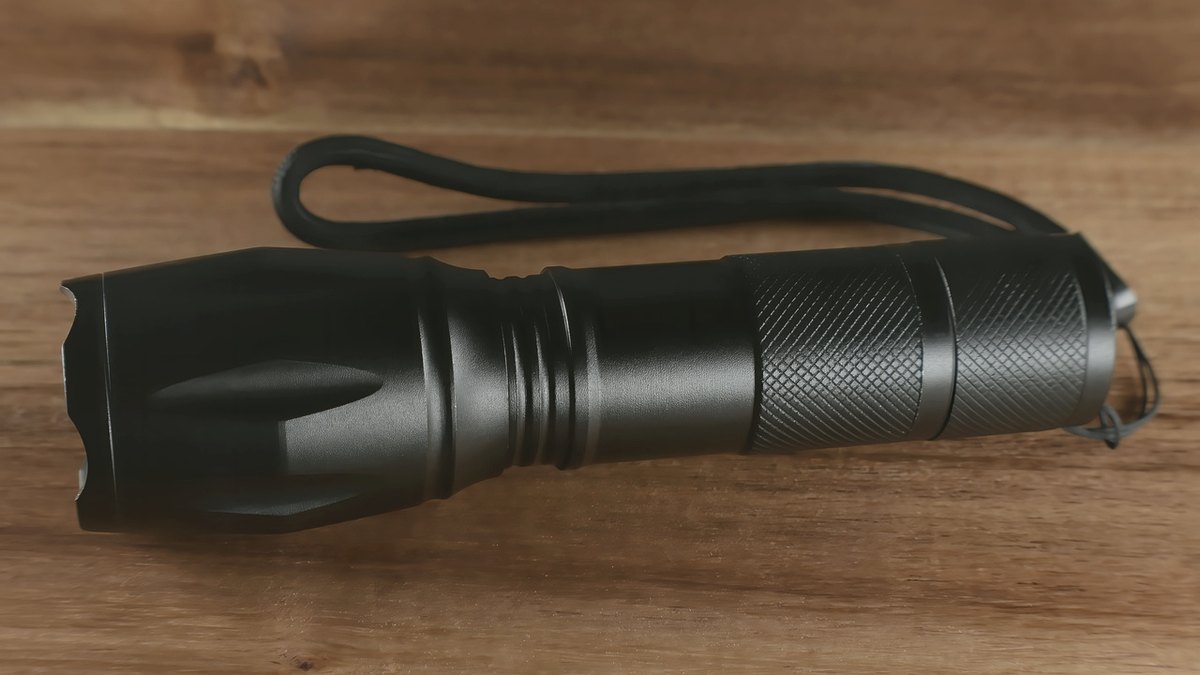
Candles cause house fires every blackout season, and they barely make light. Headlamps and battery lanterns are better in every way that matters — a headlamp frees both hands, and a lantern set on a counter lights a whole room. If your 72-hour kit is squared away, this part is already solved; go get it.
Phones: switch to low-power mode early, and text instead of calling. Texts get through congested networks more reliably and sip the battery. The jump pack from your car kit doubles as a phone bank, which is one of the better arguments for owning one.
The generator rule that isn’t negotiable
If you run a generator: outside, at least 20 feet from the house, exhaust pointed away from windows and doors. Not in the garage with the door open. Not on the covered porch. Not in the basement, which people genuinely do.
Carbon monoxide from generators kills Americans in basically every major outage, and the CDC’s guidance exists because “we just ran it inside for a little while” keeps ending families. A battery CO alarm is cheap insurance regardless. This is the one item in this post where getting it wrong doesn’t cost you food or comfort. It costs you everyone asleep in the house.
Heat, water, and the overnight
In winter, consolidate. Pick the smallest room you can all sleep in, close the doors, and layer up — a house holds heat for a surprisingly long time if you stop trying to heat all of it. Never burn anything indoors for heat that isn’t designed for it; that’s the CO rule again wearing a different coat.
If you’re on a well, your pump is electric, which means your water stopped with the lights. The toilet still has one flush per bucket if you have stored water — and this is why the stored water in your kit isn’t paranoia, it’s plumbing.
One more thing for the overnight: a dark neighborhood changes the security picture. Alarm systems may be on dead backup batteries by morning and porch lights are off with everything else. Nothing dramatic required — lock up like you mean it, keep a light within reach, and if you’ve built your home defense plan, nothing about it changes in the dark except the importance of the flashlight.
Bottom line
Confirm the scope, seal the cold, light the house with batteries instead of flames, and keep the generator outside and far from the windows. Do those four things in the first hour and a 24-hour outage stays what it should be: a boring story.
Skip this: the candle aisle and the panic generator purchase at the home center the night of the storm. Buy the generator (or don’t) on a calm Saturday after you’ve figured out what you actually need to power — and if you buy one, buy the CO alarm in the same cart.