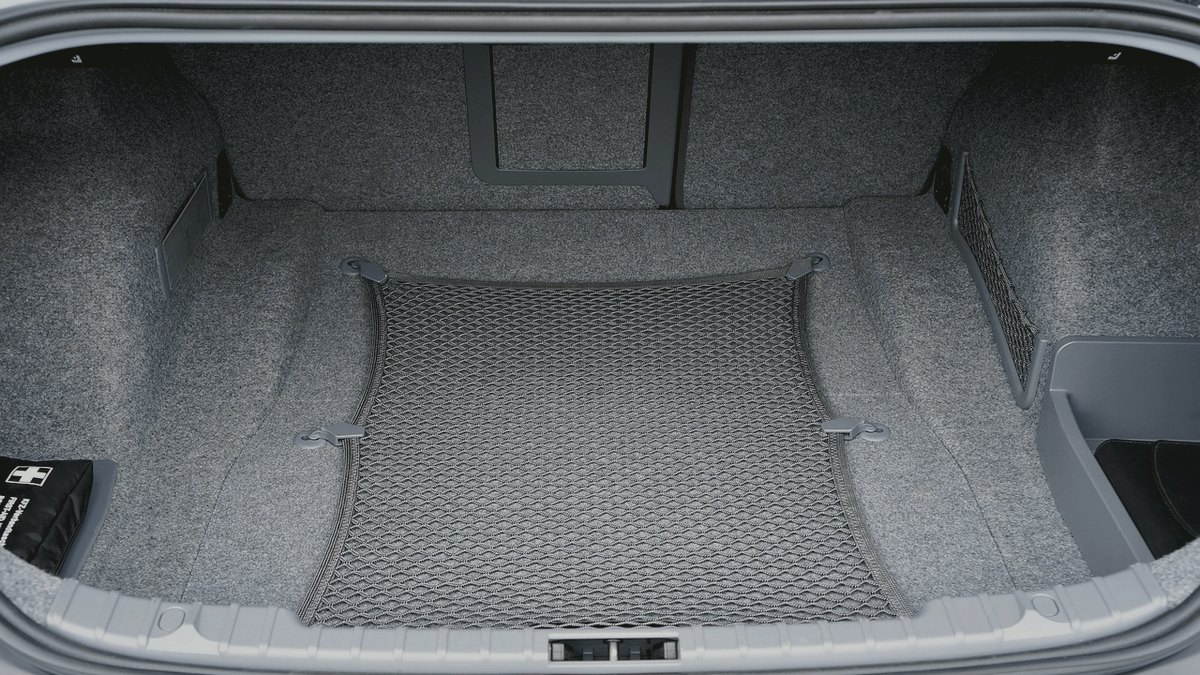
Most car kits are built for a movie scenario and useless for a Tuesday. The kit that helps is built for a dead battery, a snowstorm, and a bleeding passenger. Here’s what earns the trunk space.
Think about what actually goes wrong in a vehicle. Dead battery. Flat tire. Stuck in weather. Stranded in a closed-highway backup for four hours. A crash — yours or one you’re first to roll up on.
Build for those and you’ve covered ninety-something percent of what the road will ever hand you. Build for the collapse-of-civilization scenario first and you’ll have a trunk full of paracord and no jumper cables.
The always-in-the-trunk layer
Power and light. A lithium jump pack has mostly retired the jumper cable, since it doesn’t require a second car at midnight. Keep cables anyway as backup; they’re cheap and never out of charge. Add a real flashlight that lives in the car (the one that “usually” rides in your pocket isn’t a car light) and a phone charger plus cable that never leaves the vehicle.
Trauma first, boo-boo second. Car crashes are exactly the injury type a drugstore first-aid kit can’t touch. A tourniquet, pressure dressings, and gauze cover the bleeding-control side; the band-aids and ibuprofen handle everything else. If you carry a tourniquet, get trained on it — a Stop the Bleed course takes one evening.
Tools to get moving again. A tire inflator and plug kit fixes the most common roadside problem without waiting two hours for a truck. Check that your spare, jack, and wrench actually exist and fit — factory kits have a way of being missing exactly once. A multi-tool, work gloves, duct tape, and a tow strap round it out.
Stuck-and-waiting supplies. Water (rotate it; a hot trunk is hard on plastic bottles, so swap them every few months), calorie-dense food that survives heat — nuts and jerky beat chocolate-coated anything — a wool blanket, a rain shell, and reflective triangles or flares so the cars flying past at 70 can see you before they’re on top of you.
Get the next one
Plain advice on guns, gear, and staying ready. One email when we publish. No spam, no selling your address.
The seasonal layer
Winter transforms the car kit from convenience to survival gear. If you live anywhere with real winters: an ice scraper, a folding shovel, traction aid (a bag of cheap cat litter works), and a genuinely warm layer per regular occupant — the coat you’d want to stand in for three hours, not the one you drove off in. People have died of exposure within walking distance of help because they dressed for a heated car.
Summer flips the priority to water. Double your stock, and throw in a sun shade. Heat in a stopped car is its own emergency.
The personal layer (the one everyone skips)
This is the layer that turns a generic checklist into your kit. A few days of any medication someone in your family can’t skip. Spare glasses if you’re useless without them. Diapers and a comfort item if you haul kids. And shoes you can actually walk three miles in, because the day your car dies tends to be the day you wore the wrong shoes.
Same principle we used in the 72-hour kit: the gear that matters is the gear matched to your actual people.
The gun question
If you carry, the car adds two things worth deciding in advance.
First, know your state’s vehicle-carry law cold — loaded versus unloaded, on-body versus console, glovebox rules — and the laws of every state you drive through. Vehicle carry is one of the spots where crossing a state line can quietly turn a legal gun into a felony.
Second: the car is not a holster. A gun left in a vehicle overnight is a gun offered to whoever breaks the window. If you must leave it temporarily, a small mounted lockbox is the minimum standard — and that’s a different job than the bedside safe we covered in quick-access gun safes. The gun’s home is on your body or locked in the house.
Bottom line
Jump pack, tire kit, trauma kit, water, warmth, light, charger — that’s the spine, and it fits in one duffel with room left over. Add the seasonal layer twice a year when the clocks change, personalize it for your people, and check the whole bag on the same schedule. A kit you built three years ago and never opened is a rumor, not a plan.
Skip this: the 200-piece roadside kit in the zippered case. It’s forty dollars of items chosen to hit a piece count — the flashlight is junk, the “tools” bend, and the first aid section is band-aids in costume. Build the duffel yourself for similar money and every piece will be one you’d actually trust.