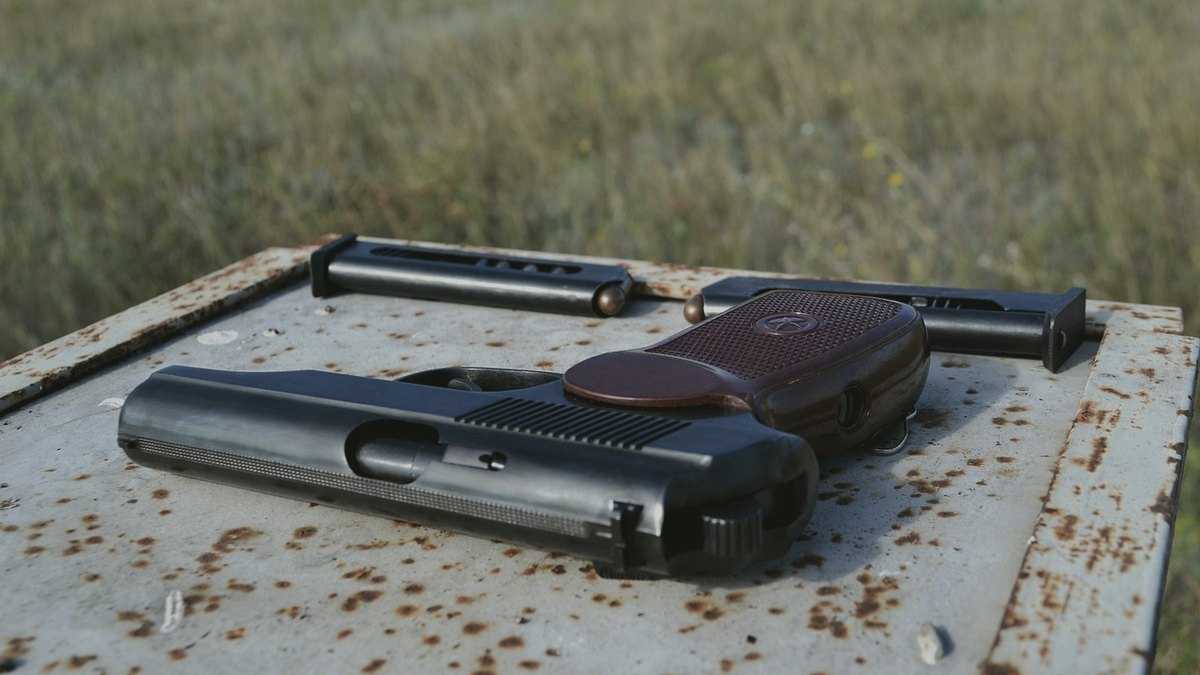
Guns outlast their owners, which makes the used market one of the best values in the firearms world. It also has its share of lemons. Here’s the five-minute inspection, the real red flags, and the legal part people get wrong.
A quality firearm with a few hundred rounds through it is, mechanically speaking, barely broken in. The first owner paid retail, paid the new-gun premium, and ate the depreciation. You don’t have to.
The catch is that you’re buying without a warranty card and usually without the gun’s history. So you inspect. None of it requires gunsmith skills — just knowing where problems actually show up.
Where to buy, and what each route costs you
Local gun shops and their consignment racks are the easiest path. You handle the gun before buying, the shop has a reputation to protect, and some will let you return a gun that turns out to have a mechanical fault. You pay a bit more for that.
Online marketplaces like GunBroker have the deepest selection and the best prices, but you’re buying from photos. The gun ships to a local FFL who runs your background check before transfer, same as any purchase. Stick to sellers with long feedback histories, read the listing for what it doesn’t say, and ask for more photos before bidding. A seller who won’t photograph the bore has answered your question.
Private sales face to face can be the best deals of all. They’re also where the legal part lives, so read that section below before you meet anyone in a parking lot.
The five-minute inspection
Start with the bore. Ask to run a bore light through it (bring one — a phone light and a white business card work in a pinch). You want bright, defined rifling. Dark rings, pitting, or a frosted gray look mean corrosion got there first. Barrels are replaceable, but now you’re pricing in a barrel.
Check the wear honestly. Holster wear on the finish — silvering on the muzzle and edges — is cosmetic and is your friend, because it scares off other buyers and lowers the price without affecting function. What you actually care about: cracks in polymer frames around pin holes, cracks at the slide rails, mushroomed or chewed-up screw heads. Buggered screws mean someone went inside with the wrong tools, and you should wonder what else they touched.
Function check. With the seller’s permission and an empty gun: rack the slide and feel for grit or binding. Check that the slide locks back. Dry fire if allowed — the trigger should break cleanly and reset. On a semi-auto, push down on the chamber hood with the slide forward; mushiness can mean a tired recoil assembly, which is a cheap fix but a bargaining chip.
Revolvers get two extras. Cock the hammer slowly and watch the cylinder lock into place before the hammer reaches full cock — that’s timing. Then, with the gun cocked, check for excessive cylinder wiggle. A revolver that’s out of time is a real repair, not a detail strip.
Get the next one
Plain advice on guns, gear, and staying ready. One email when we publish. No spam, no selling your address.
The walk-away red flags
Some problems are negotiating points. These aren’t:
A serial number that’s ground, scratched, or altered in any way. Walk away immediately — possessing that gun is a federal crime, full stop, and no price fixes it.
A seller who rushes you, won’t allow inspection, or wants to skip the paperwork a sale legally requires. Price that seems impossible for the model? It usually is. You don’t want a stolen gun at any discount, partly because you’ll lose the gun and partly because you may inherit its history.
Home gunsmithing on a defensive gun. Polished internals, “trigger job by previous owner,” mystery springs. On a range toy, maybe. On a gun you might stake your life on, the unknown work is a liability you can’t inspect for.
Do your price homework, and the legal part
Before you shop, look up completed sales (not asking prices) for the model on the big marketplaces. Asking prices tell you what sellers wish; sold prices tell you what the gun is worth. Ten minutes of this turns you from a mark into the informed party in the room.
On the law: any dealer sale or interstate purchase goes through an FFL and a background check, period. Private in-state sales are where rules vary hard by state — some allow direct cash-and-carry between residents, others require every transfer to run through a dealer. Know your state’s rule before you meet a seller, because “I didn’t know” has never once worked. And keep a simple bill of sale either way; it costs nothing and documents when the gun left or entered your hands.
If this is your first gun, it’s worth reading what actually matters in a first handgun before you start shopping the used racks — and consider what it’ll cost to feed, because the purchase price is the cheap part of owning a gun.
Bottom line
Buy from sellers who let you look, check the bore and the function before money moves, know sold prices going in, and walk on altered serials or sketchy paperwork without a second thought. Do that and the used market will quietly save you hundreds of dollars per gun for the rest of your life.
Skip this: “gunsmith specials” and project guns, unless you are actually the gunsmith. The listing word “should” — should run fine, should just need springs — is the most expensive word in the used gun market.