Appendix, strong-side, pocket, ankle — everyone has an opinion. Here’s how to actually pick, and the two positions that work for most people most of the time.
Ask ten gun owners where to carry and you’ll get ten answers, each delivered like settled law.
It isn’t settled. Carry position is a fit problem, not a doctrine problem. Your body, your clothes, your car time, and your willingness to practice decide the answer — not a forum thread.
Here’s the honest rundown.
The contenders
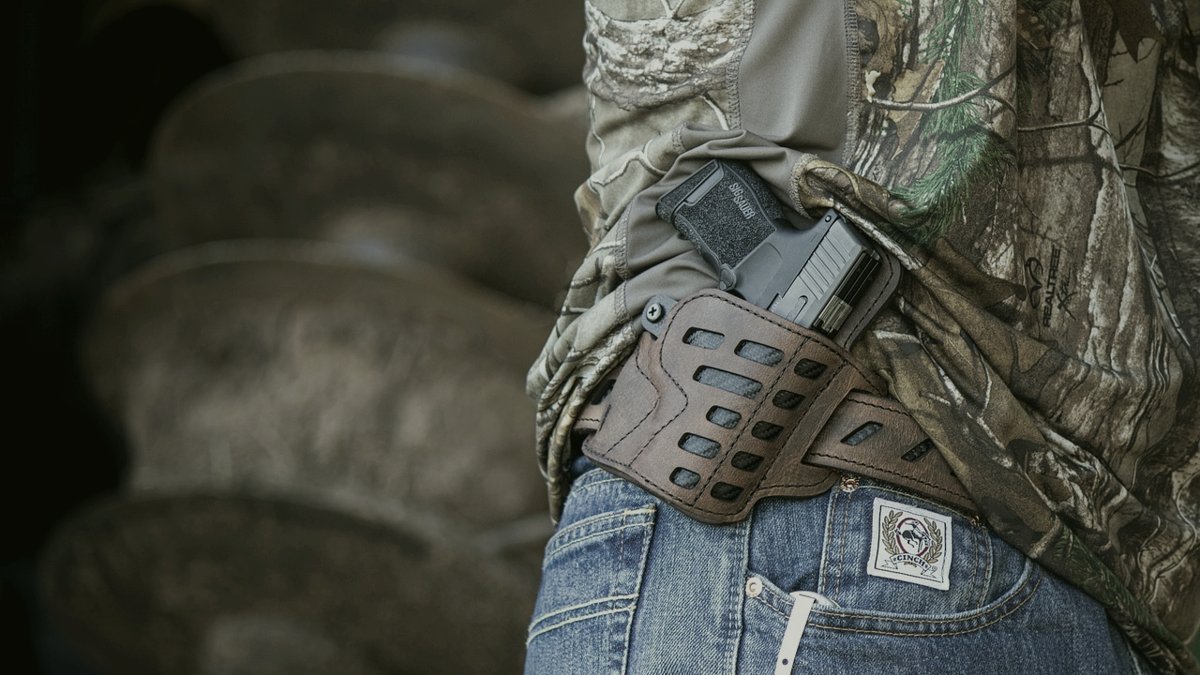
Strong-side IWB (3 to 5 o’clock). Inside the waistband, on your dominant hip. The default for a reason: it conceals well under a t-shirt, the draw is natural, and it tolerates a range of body types. Downsides: slower from a seated position, and printing when you bend over.
Appendix (AIWB). Inside the waistband, front of the hip. The fastest draw there is, conceals deep, and works well seated — which matters if you drive a lot. Downsides: comfort varies hugely with build, and it demands a rigid holster and a careful reholster. No exceptions on that.
OWB on the belt. The most comfortable way to carry a full-size gun, and the easiest draw. But it needs a cover garment, so it’s a cold-weather or jacket-wearer’s position for most people.
Pocket carry. Works for small revolvers and micro pistols in a dedicated pocket holster. Slow draw, weak retention, but it beats leaving the gun at home. A backup position, or a “this outfit gives me no options” position.
Ankle and off-body. Ankle is a backup-gun position — the draw requires kneeling or hiking a pant leg. Off-body (bag, purse) means your gun is one snatched bag away from gone, and your draw is measured in seconds, plural. Neither should be your primary if you have any other choice.
What actually decides it
Four questions do the work:
What’s your build? Appendix favors flat stomachs and shorter torsos. Strong-side tolerates almost everything. Don’t fight your body — it wins.
What do you wear daily? If your real life is tucked shirts and slacks, your options differ from the guy in an untucked tee. Pick for the clothes you wear five days a week, not your range outfit.
How much do you sit? Long commute or desk job, appendix and crossdraw-adjacent positions stay accessible. A 4 o’clock IWB is pinned between you and the seat.
Will you practice the draw? Every position has a learning curve. The position you’ll actually rep beats the theoretically faster one you won’t.
Get the next one
Plain advice on guns, gear, and staying ready. One email when we publish. No spam, no selling your address.
The two answers that fit most people
For most carriers, the realistic shortlist is two positions: strong-side IWB if you want forgiving and comfortable, appendix if you want fast and you’re willing to invest in a proper rig and the reps to run it safely.
Try both before you commit. Wear each one for a full week — errands, driving, sitting through dinner. The holster drawer full of abandoned gear that almost every carrier owns is the price of skipping that week.
Whatever you pick, the rules don’t change
The position matters less than these:
A rigid holster that completely covers the trigger guard. A real gun belt, not a department-store strap. The same position every day, so your hand goes to the gun without thinking. And a slow, deliberate reholster, every single time — speed goes into the draw, never the return trip. (More on gear that fails these rules in our holster post.)
Bottom line
Pick between strong-side IWB and appendix unless your body or wardrobe rules them out. Wear it a week before you judge it. Then rep the draw until it’s boring.
Skip this: off-body carry as your default, and any holster marketed as “fits 200 models.” A gun you carry at 4 o’clock every day beats a faster setup that stays in the drawer.