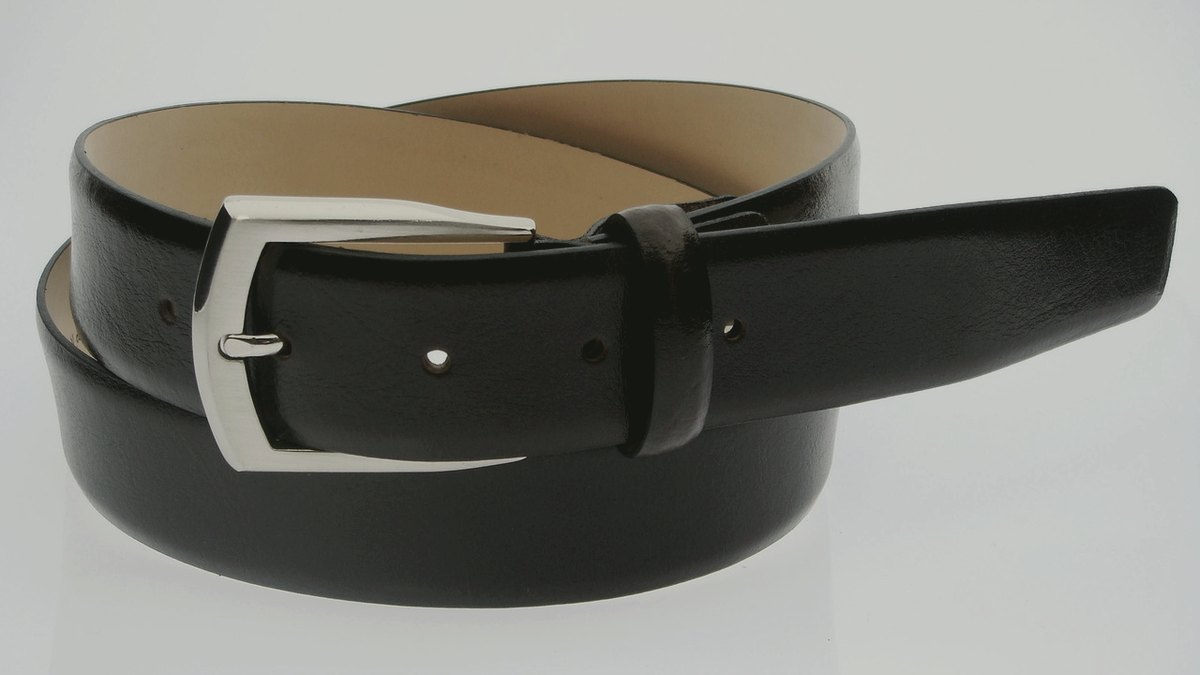
The gun sags. It prints. It digs into your side, and you adjust it forty times a day. People buy three holsters trying to fix this, when the actual culprit is holding up their pants.
Here’s a pattern every gun shop employee knows. Someone carries for a month, hates it, and comes back for a different holster. Then a third one. The drawer of abandoned holsters grows, the misery stays.
Ask what belt they’re using and the answer is usually whatever came from the department store. That’s the problem. A dress belt was engineered to hold up trousers, and now it’s being asked to hold a pound and a half or two pounds of gun and holster against your body, all day, through sitting and bending and getting in and out of the truck.
It can’t. It folds.
What’s actually going wrong
A soft belt fails in a few specific ways, and each one shows up as a complaint people pin on the holster.
The belt rolls outward under the gun’s weight, so the grip tips away from your body. That’s most printing right there — not the gun’s size, the lean. The belt stretches and flexes through the day, so the holster migrates and you keep hitching it back into place. And because the belt can’t spread the load, all the weight rides on the one spot where the holster sits, which is the digging-into-your-hip feeling that makes people quit carrying altogether.
Worst of all, a soft belt makes the draw mushy. The holster moves with the gun as you pull, instead of staying anchored while the gun leaves. You can feel this in two practice draws: the gun should come straight up out of a holster that doesn’t budge.
Get the next one
Plain advice on guns, gear, and staying ready. One email when we publish. No spam, no selling your address.
What makes a belt a gun belt
Stiffness, mostly. A real gun belt resists twisting along its length, so the holster stays planted at the angle you set.
In leather, that means two layers stitched together, or a single thick layer with a stiffener sandwiched inside. In nylon, it means dense scuba-style webbing, often with a polymer core, and a buckle that actually locks — the flimsy plastic snap buckle on a hiking belt doesn’t count. Both materials work. Leather looks right in an office, nylon shrugs off sweat and weather and micro-adjusts more finely. Pick by wardrobe, not by forum argument.
Hold a gun belt and a dress belt side by side and try to twist each one. The difference stops being abstract immediately.
How to buy the right one
Match the width to your holster. Most holster loops are cut for a 1.5-inch belt. A narrower belt swims in the loops and lets the holster rock — which quietly re-creates the problem you just paid to fix.
Size it for carrying. Order by your actual waist measurement over clothes with the gun on, not your pants size. Makers print sizing guides for exactly this; read them, because a gun belt that’s two holes too small joins the abandoned-holster drawer.
Buy once. Quality gun belts from the established makers cost about what a decent holster does, and a good one outlasts several holsters. This is the cheapest meaningful upgrade in concealed carry — it fixes comfort, concealment, and draw in one purchase.
The order of operations for fixing your carry
If carrying is miserable, fix it in this order: belt first, then holster, then position. A proper belt fixes the sag, the migration, and most of the printing. If the gun still digs or prints after that, now it’s worth re-reading our take on holsters worth avoiding and experimenting with carry position — those choices finally matter once they’re sitting on a stable foundation.
People run this order backwards, buy four holsters, and conclude carrying just sucks. It doesn’t. Their belt does.
Bottom line
If your carry setup sags, prints, digs, or wanders, put your money on a stiff purpose-built gun belt in the width your holster takes, sized over clothes with the gun on. It’s one purchase, it costs less than the second holster you were about to buy, and it fixes problems you’ve been blaming on everything else.
Skip this: the $20 “tactical belt” with the plastic buckle, and any belt sold without a sizing chart. If the listing doesn’t tell you how to measure, the maker hasn’t thought about the job the belt is actually for.